

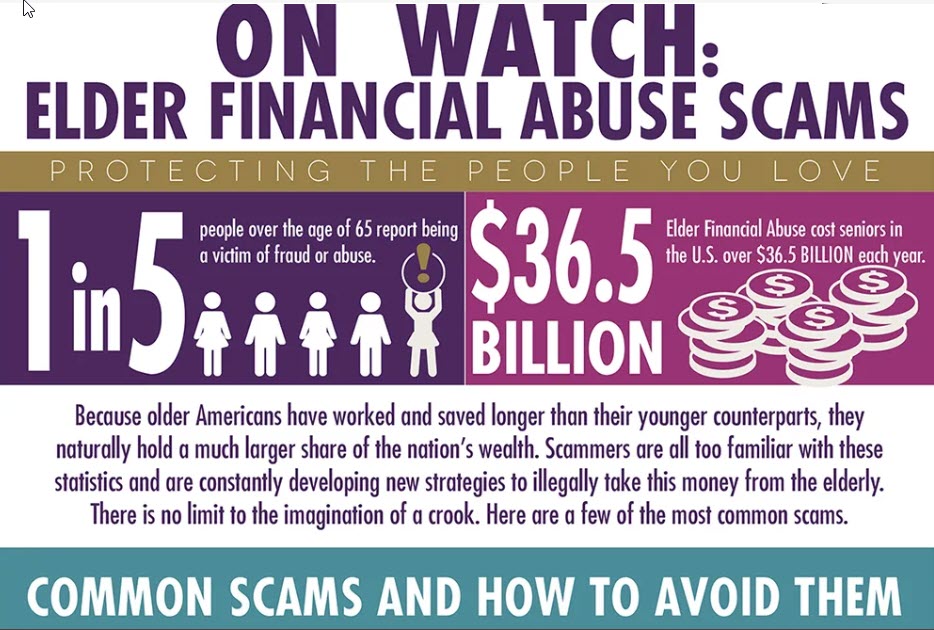
Across Massachusetts and the nation, elder fraud is rapidly emerging as a major public health threat—one that extends far beyond financial loss. Increasingly sophisticated online scams are targeting older adults, resulting not only in stolen savings, but also in profound impacts on mental health, physical well-being, and social stability.
Recent national data highlight the scale of the problem. According to the Federal Trade Commission, reported fraud losses among adults aged 60 and older have skyrocketed from approximately $600 million in 2020 to $2.4 billion in 2024, with many individual losses exceeding $100,000 . Because fraud is significantly underreported, the true impact is estimated to be many times higher, potentially reaching tens of billions of dollars annually.
A Public Health Issue—Not Just a Financial Crime
Elder fraud is often viewed narrowly as a financial issue. In reality, it is a multidimensional public health concern:
- Financial health: Loss of retirement savings, increased debt, housing instability
- Mental health: Anxiety, depression, shame, and social withdrawal
- Physical health: Delayed medical care, medication non-adherence, stress-related illness
- Social well-being: Isolation and loss of trust in institutions and relationships
Older adults are disproportionately affected by certain scams, including tech support scams, impersonation schemes, romance scams, and investment fraud . Many of these scams exploit trust, urgency, and digital unfamiliarity—making prevention both a health equity issue and a community responsibility.
The Role of Local Public Health: Boards of Health & Councils on Aging
Massachusetts Boards of Health, working in partnership with local Councils on Aging (COAs), are uniquely positioned to respond. These trusted, community-based organizations can help shift the approach from reactive response to proactive prevention.
Key opportunities for local action include:
1. Prevention through Education
- Community workshops on recognizing common scams
- Training on safe online behaviors and digital literacy
- Outreach through senior centers, libraries, and faith-based organizations
2. Early Detection and Intervention
- Encouraging reporting of suspicious activity
- Creating safe, stigma-free environments for disclosure
- Integrating fraud awareness into routine health and wellness programming
3. Program Design and Implementation
- Developing evidence-informed prevention programs
- Evaluating effectiveness (e.g., improved recognition, reporting behaviors)
- Scaling successful models across municipalities
4. Cross Sector Collaboration
- Partnering with law enforcement, financial institutions, and social services
- Aligning with state and national initiatives on elder protection
By embedding fraud prevention into public health practice, communities can reduce risk, strengthen resilience, and protect overall well-being.
Tools and Resources for Communities
Several national organizations provide high-quality, ready-to-use materials that can support local efforts:
- National Council on Aging (NCOA): Avoiding Scams
NCOA Scam Prevention Resources
Practical guidance for older adults on recognizing and avoiding fraud. - World Elder Abuse Awareness Day Toolkit (NCOA)
NCOA Scam Prevention Toolkit
Social media and outreach materials for community campaigns. - AARP: Biggest Scams to Watch
AARP 2026 Scam Watch List
Up-to-date trends and emerging threats.
These resources can be readily adapted by Boards of Health and COAs to support local education campaigns and outreach initiatives.
Moving Forward: A Public Health Approach to Prevention
Addressing elder fraud requires a shift in perspective—from isolated incidents to a systemic, preventable public health risk. By integrating fraud awareness into health promotion efforts, communities can:
- Improve early recognition of scams
- Strengthen protective behaviors and decision-making
- Reduce financial exploitation and downstream health impacts
- Enhance community-wide resilience
Conclusion
Elder fraud is not just a crime—it is a growing threat to the health and well-being of older adults. Massachusetts Boards of Health, in collaboration with Councils on Aging and community partners, have a critical role to play in preventing, identifying, and mitigating these harms. Through coordinated education, program development, and evaluation, we can better equip older adults to recognize, interrupt, and report fraud—ultimately protecting both their financial security and their overall health.
0 Comments