

HHS Region 1 Preparedness Brief — November 9, 2026
Primary-source developments, November 2–9
Action-worthy changes
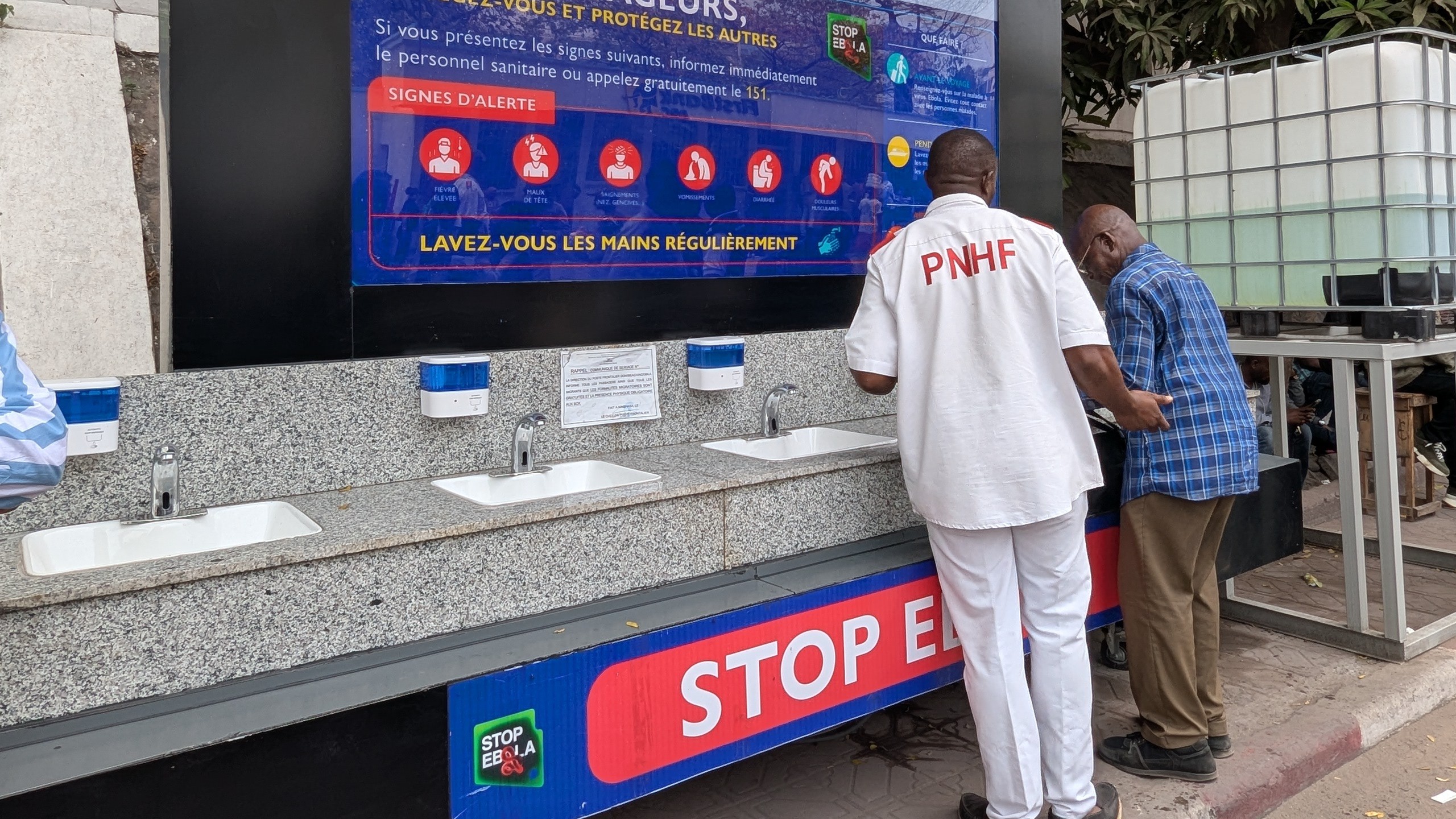
1. Ebola air-travel attestation is now in force — binding federal order. The amendment covered last week took effect for flights departing at or after 11:59 p.m. EST on November 3. CDC’s November 3 implementation update makes the fillable attestation available in English, Spanish, and French. The boarding and recordkeeping duties belong to aircraft operators, not state or local health departments. Region 1 step: Replace any pre-effective-date language in travel-health and port-health materials with the current CDC link, and confirm the after-hours contact for federal referrals involving travelers with exemptions. CDC’s November 6 situation update continued to report no U.S. cases linked to this outbreak and low overall U.S. risk. CDC order and technical instructions · CDC situation update. CDC
2. Federal assessment targets upstream medicine-supply vulnerabilities — action for notified organizations. On November 3, ASPR announced a joint assessment of the materials used to manufacture active pharmaceutical ingredients. Commerce’s Bureau of Industry and Security is conducting a one-time survey under Defense Production Act authority. This is not a grant opportunity or a region-wide reporting requirement; the announcement gives no general response deadline. Region 1 step: Ask healthcare-coalition pharmacy and procurement leads to route any official survey notice to their organization’s supply-chain and compliance teams and follow the deadline in that notice. Planning inference: The assessment is also a reason to check whether winter shortage plans account for dependence on a single supplier; it does not establish a current regional shortage. ASPR announcement. ASPR
Useful context
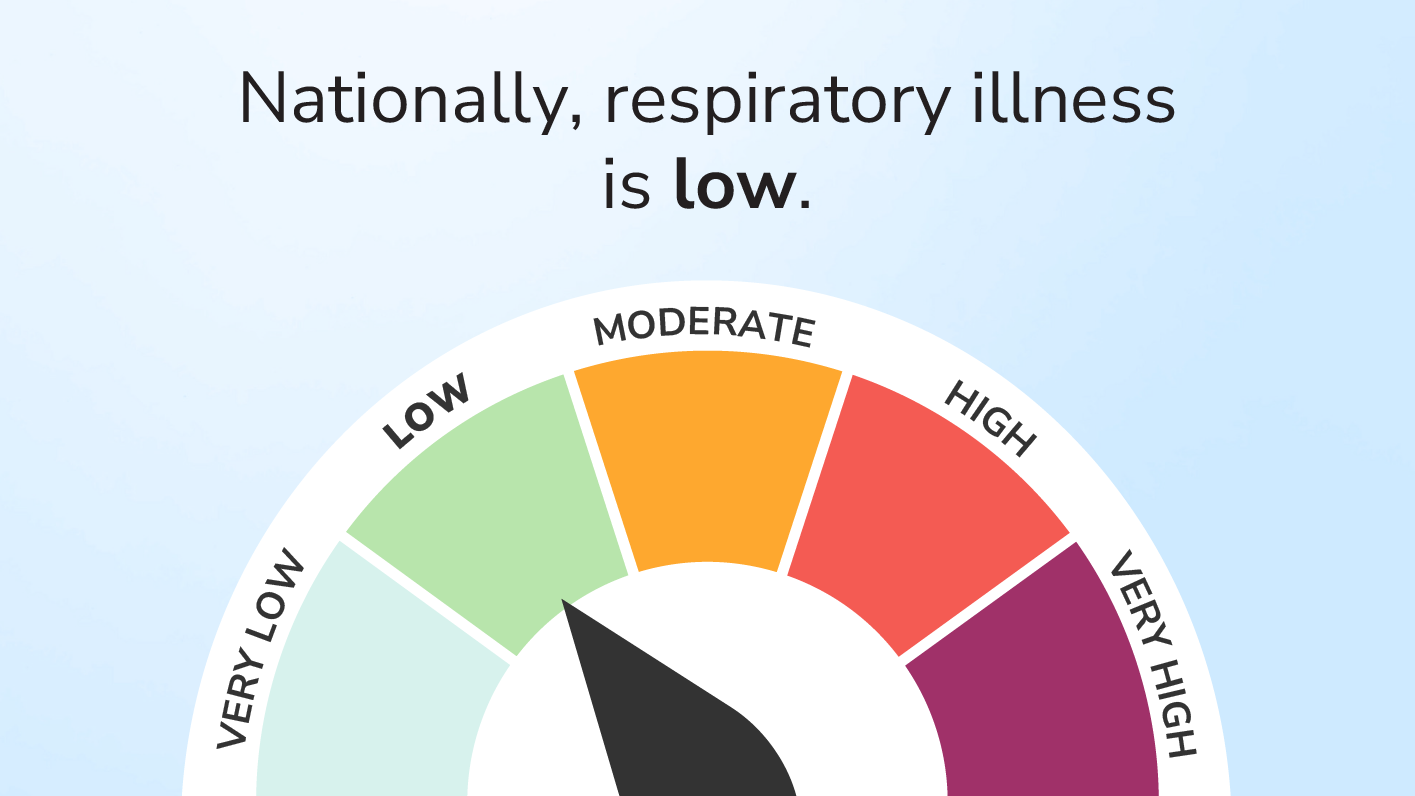
- Respiratory surveillance: CDC’s November 6 update moved national acute respiratory illness from very low to low, with influenza increasing in many areas. The dashboard no longer displays the temporary data-feed warning noted October 30; that does not confirm every affected feed was backfilled. Use state and hospital indicators before changing regional surge posture. CDC respiratory dashboard. CDC
- Measles: CDC’s November 6 update reported 5,182 confirmed U.S. cases through November 5, up 330 reported cases from the October 30 update. That is a reporting increase, not necessarily infections acquired in one week, and does not establish new transmission in Region 1. CDC measles surveillance. CDC
No additional material CDC preparedness funding deadline, FEMA coordination change, or new workforce/CQI, data-modernization, or AI-governance requirement was verified in the public sources reviewed. Recipient-specific award notices and unpublished operational communications were outside this review.
References for the November 9, 2026 Region 1 briefing
Reporting period: November 2–9, 2026
Action-worthy changes
- Centers for Disease Control and Prevention. Updated November 3, 2026; amended order issued October 28, 2026. Order: Requirement for Attestation by All Persons Traveling by Air to the United States. Source for the effective date, aircraft-operator responsibilities, and multilingual attestation forms. CDC order and technical instructions
- Centers for Disease Control and Prevention. Updated November 6, 2026. Ebola Outbreak: Current Situation. Source for the U.S. risk assessment and the absence of confirmed U.S. cases linked to the outbreak as of that update. CDC situation summary
- HHS Administration for Strategic Preparedness and Response. November 3, 2026. ASPR Partners with Departments of Commerce, War to Strengthen Supply Chain for Key Starting Materials Used in Medicines. Source for the federal supply-chain assessment and the one-time industry survey. ASPR announcement
Useful context
- Centers for Disease Control and Prevention. October 30 and November 6, 2026 updates. Respiratory Illnesses Data Channel. Source for the change in national respiratory illness activity and the comparison with the prior week’s data-feed warning. CDC respiratory surveillance dashboard
- Centers for Disease Control and Prevention. October 30 and November 6, 2026 updates. Measles Cases and Outbreaks. Source for the national totals of 4,852 confirmed cases through October 29 and 5,182 through November 5, a difference of 330 reported cases. CDC measles surveillance
CDC updates its surveillance pages in place, so the links may display newer figures rather than the dated versions used in the briefing.
HHS Region 1 Preparedness Brief — November 2, 2026
Primary-source developments from October 26–November 2
Action-worthy changes
- CDC amended its Ebola-related air-travel attestation order — binding requirement
What changed: The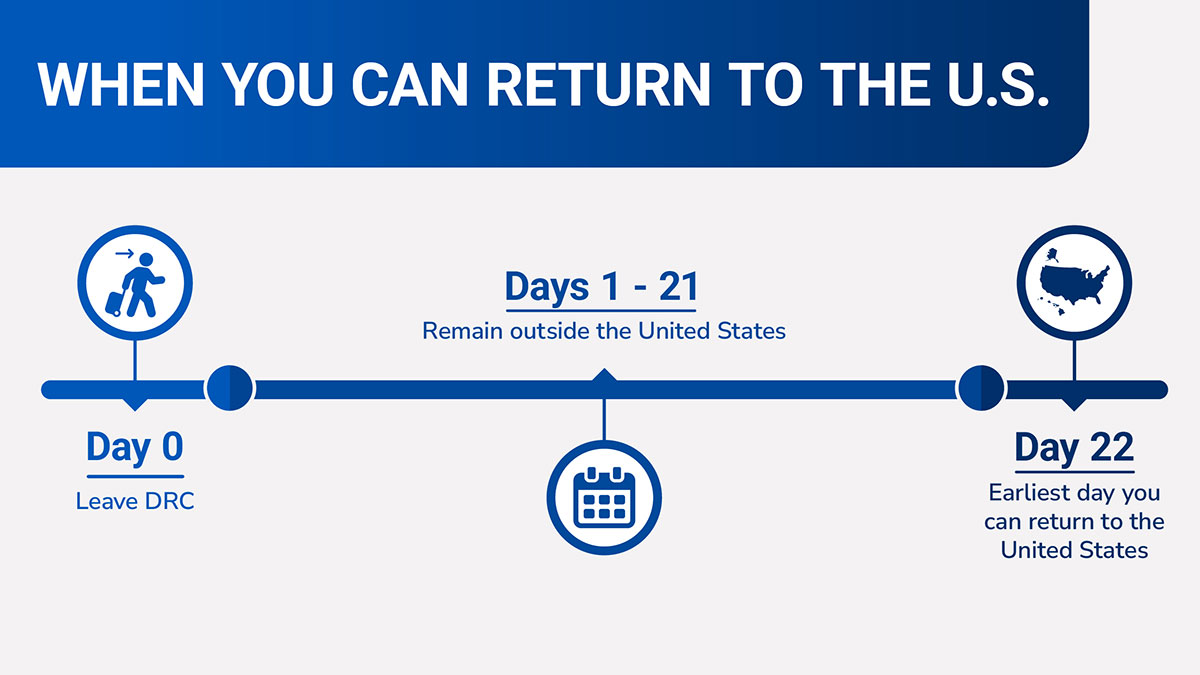 October 28 amendment, explained in CDC’s October 30 update, explicitly covers everyone aboard U.S.-bound international aircraft, including passenger- and cargo-aircraft crews and repositioning crew. Unless exempted, travelers must attest that they have not been in the Democratic Republic of the Congo (DRC), including airport transit, during the preceding 21 days. Operators must verify attestations, deny boarding without them, and retain records for 42 days. Effective: November 3, 2026, at 11:59 p.m. EST, based on flight departure time. CDC order and technical instructions. CDC
Region 1 planning step: Before that effective time, circulate the amendment to airport/port-health, EMS, special-pathogen, university travel-health, and humanitarian-response partners. Confirm who handles exemption-related notifications and potentially exposed arrivals. The attestation obligations fall on travelers and aircraft operators—not local health departments.
- CDC updated post-arrival Ebola management guidance — interim recommendations
What changed: CDC’s October 28 update specifies an initial health-department encounter ideally within 24 hours of CDC notification, daily traveler-information delivery through the One CDC Data Platform (1CDP), and twice-daily in-person monitoring for applicable travelers recently in or transiting DRC without identified high-risk exposures. Monitoring extends through 21 days after departure. Travelers from Uganda or South Sudan have different follow-up recommendations. CDC interim guidance. CDC
Region 1 planning step: Verify 1CDP access, after-hours notification coverage, staffing for in-person monitoring, and interstate handoffs. Test one arrival-to-monitoring scenario with EMS and receiving-facility partners. These are recommendations, not a newly imposed local mandate. Uncertainty: The web page’s update date does not establish that every operational detail was newly introduced October 28.
- CDC flags interruptions in respiratory surveillance feeds — data-quality caution
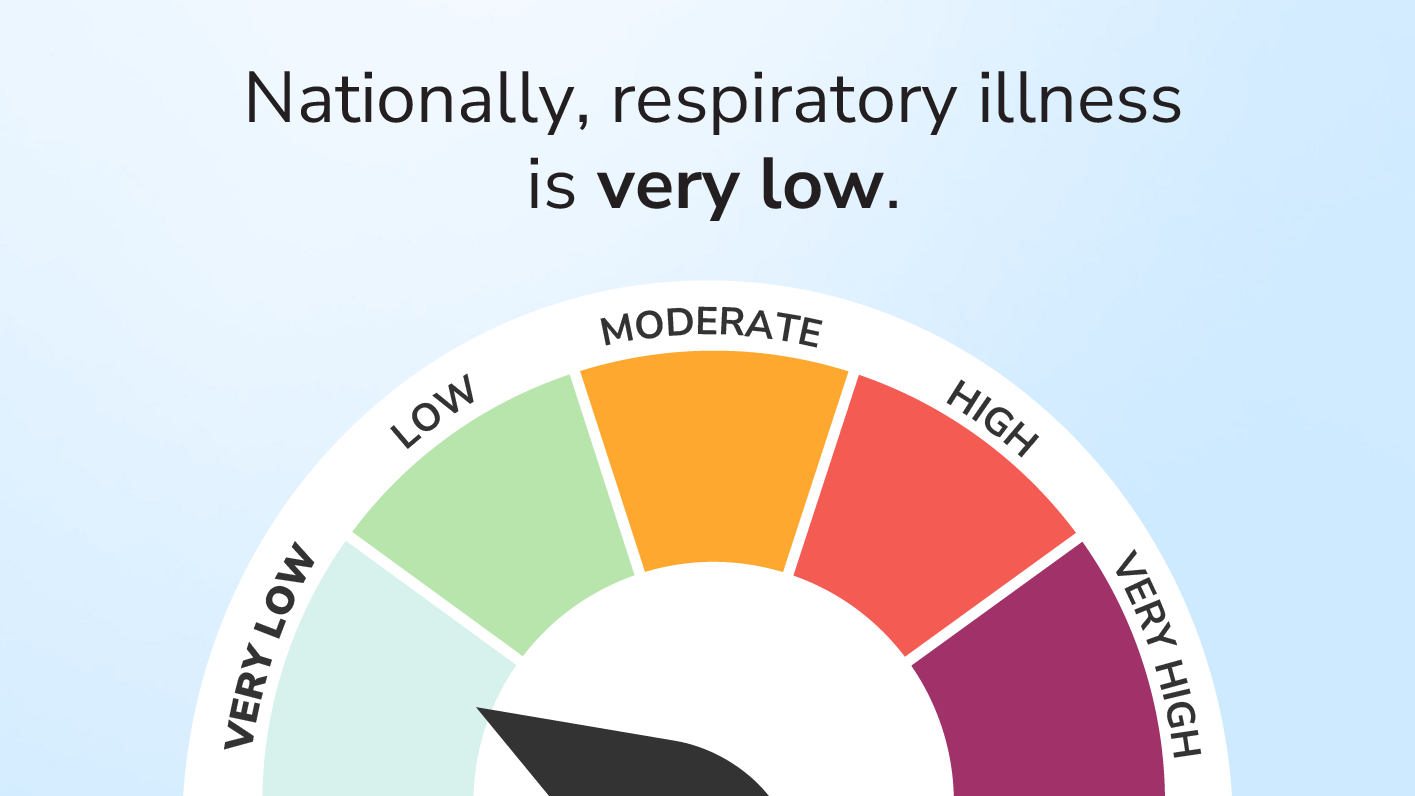
CDC’s October 30 respiratory update warns that some estimates may be unavailable or require caution because of temporary data-feed interruptions; estimates will readjust after backfilling. The notice does not identify every affected feed or give a restoration date. CDC respiratory dashboard. CDC
Recommended planning step—inference: Check completeness and reporting dates before using these estimates to change activation thresholds. Annotate regional dashboards and corroborate apparent declines with state surveillance and healthcare-utilization data. No compliance deadline applies.
Useful context
- Connecticut reported its first influenza deaths of the season, October 28: Six deaths among adults aged 55 or older occurred across three reporting weeks—not solely during the past week. This supports targeted vaccination and long-term-care outreach, but does not itself establish a regional surge. Connecticut DPH release. portal.ct.gov
- Rhode Island issued preholiday measles messaging, October 29: RIDOH highlighted travel-associated exposure risks, including outbreaks in nearby states, and encouraged vaccination sufficiently before travel. This is renewed communication using existing recommendations, not a new mandate or announcement of a Rhode Island outbreak. RIDOH release. Department of Health
- NIST finalized its post-quantum cryptography transition roadmap, October 27: Relevant to long-lived public-health data systems and procurement, NIST IR 8547 replaces its draft. Planning inference: ask IT/security partners about cryptographic inventories and vendor migration plans. It is not an AI-governance rule or, by itself, a new Region 1 compliance deadline. Final NIST report. CSRC
No additional material new CDC preparedness funding deadline, FEMA coordination requirement, workforce/CQI requirement, or finalized AI-governance requirement was verified. Public-web coverage excludes recipient-specific award notices and unpublished operational communications.
REFERENCES
November 2, 2026 – covering October 26–November 2, 2026
Action-worthy changes
- Centers for Disease Control and Prevention. Updated October 30, 2026; amended order issued October 28, 2026. Order: Requirement for Attestation by All Persons Traveling by Air to the United States.
Source for the attestation requirement, covered travelers and crews, operator responsibilities, record retention, and November 3 effective date.
CDC order and technical instructions - Centers for Disease Control and Prevention. Updated October 28, 2026. Interim Guidance for Public Health Assessment and Management of Travelers from Countries Affected by the 2026 Ebola Outbreak.
Source for traveler assessment, 1CDP information sharing, monitoring recommendations, and cross-jurisdictional coordination.
CDC interim guidance - Centers for Disease Control and Prevention. Updated October 30, 2026. Respiratory Illnesses Data Channel.
Source for the warning about temporary data-feed interruptions and interpretation of respiratory surveillance estimates.
CDC respiratory surveillance dashboard
Useful context
- Connecticut Department of Public Health. October 28, 2026. Connecticut Department of Public Health Reports First Influenza Deaths of the Season, Urges Residents to Get Vaccinated.
Connecticut DPH release - Rhode Island Department of Health. October 29, 2026. RIDOH Encourages Vaccination to Protect Against Measles Before Travel and Holidays.
RIDOH release - Moody, D., Perlner, R., Regenscheid, A., Robinson, A., & Cooper, D. October 27, 2026. Transition to Post-Quantum Cryptography Standards. NIST IR 8547, final report. National Institute of Standards and Technology.
NIST publication and report
Note: CDC webpages are updated in place, so current content may differ from the versions reviewed for this briefing. Region 1 planning recommendations were analytical interpretations, not agency directives or documented local decisions.
__________________________________________________________________________________________________
HHS Region 1 Preparedness Brief – October 26, 2026
Primary source developments published October 19–26, 2026
Action-worthy changes
- What changed: On October 19, CDC issued a Level 1 Travel Health Notice after Kenya confirmed an imported Bundibugyo virus disease case and linked cases in Nairobi. CDC recommends usual precautions; suspected cases should isolate, avoid travel, and call ahead before seeking care. There is no approved vaccine or specific treatment for this Ebola species. CDC
- Why it matters: Region 1 clinicians and emergency coordinators now need to include recent Kenya travel when screening for viral hemorrhagic fever—not only travel to previously affected countries. This could affect frontline recognition, notification, laboratory coordination, transport, and regional special-pathogen referral.
- Recommended step: Promptly verify that health alerts, call-center scripts, exposure-history forms, and special-pathogen exercises include Kenya and current CDC clinical-screening links. Confirm the escalation pathway among state epidemiology, EMS, hospitals, laboratories, and the regional emerging-special-pathogen treatment network.
- Timing: Effective October 19; no compliance deadline. Uncertainty: CDC maintained Level 1 and did not announce a new U.S. entry-screening requirement in the reviewed
ASPR opened national preparedness advisory-committee applications — voluntary opportunity

- What changed: On October 22, ASPR opened applications for the National Biodefense Science Board and National Advisory Committee on Children and Disasters. Both advise HHS on preparedness, response, and recovery; applications close November 22, 2026. ASPR
- Why it matters: These appointments offer Region 1 experts a channel to shape federal policy on infectious disease and CBRN preparedness, workforce readiness, pediatric surge, behavioral health, and children with special healthcare needs.
- Recommended step: By early November, circulate the calls to qualified public-health, healthcare-coalition, pediatric, academic, biotechnology, and community partners. Interested individuals may self-nominate; organizations should not imply endorsement unless formally authorized.
- Deadline: November 22, 2026. This is an opportunity, not a requirement or funding notice.
Useful context
- Measles pressure continues: CDC reported 4,588 confirmed cases through October 22, 43 outbreaks, and 96% of cases associated with outbreaks. Connecticut, Maine, Massachusetts, Rhode Island, and Vermont appear among jurisdictions reporting cases during 2026, but CDC’s cumulative list does not establish current transmission in those states. Continue jurisdiction-specific surveillance and readiness for rapid isolation, contact investigation, and targeted vaccination. CDC
- Respiratory activity remains broadly low: CDC’s October 23 update characterized acute respiratory illness and RSV as very low nationally; influenza was increasing but still low, while COVID-19 remained elevated in some regions but was declining nationally. This supports routine seasonal readiness rather than escalation based on national indicators alone. CDC
No new finalized CDC preparedness funding requirements, FEMA emergency-coordination mandates, federal data-modernization requirements, or NIST/OMB AI-governance changes were identified in the seven-day primary-source scan.
REFERENCES
October 26, 2026 – covering October 19- 26, 2026
- Centers for Disease Control and Prevention. October 19, 2026. Ebola Bundibugyo Virus Disease in Kenya—Level 1: Practice Usual Precautions.
Source for the Kenya outbreak information, travel precautions, symptom-response advice, and absence of approved species-specific vaccines or treatments. CDC Travel Health Notice. CDC - HHS Administration for Strategic Preparedness and Response. October 22, 2026. HHS Seeks Experts to Help Strengthen the Nation’s Health Preparedness.
Source for recruitment to the National Biodefense Science Board and National Advisory Committee on Children and Disasters, including the November 22 application deadline. ASPR announcement. ASPR - Centers for Disease Control and Prevention. Measles Cases and Outbreaks. October 23, 2026 update, reporting data through October 22.
Source for the national case and outbreak totals and reporting-jurisdiction list. CDC surveillance page. - Centers for Disease Control and Prevention. Respiratory Illnesses Data Channel. Updated October 23, 2026.
Source for the national respiratory-illness, RSV, influenza, COVID-19, and other respiratory-virus summaries. CDC respiratory surveillance page.
Archival limitation: CDC updates its measles and respiratory pages in place. Those links now display later updates, so they are not preserved snapshots of the October 9, 16, or 23 figures quoted in the briefings.
_______________________________________________________________________________________________________________________________________________________________________________________________
HHS Region 1 Preparedness Brief — October 12–19, 2026
 The clearest planning developments are a continued CDC Ebola-related entry order and new voluntary federal guidance on AI-agent incidents. No new CDC preparedness funding opportunity or deadline was verified.
Action-worthy changes
- CDC continues Ebola-related entry restrictions — published October 15. The order maintains existing restrictions for specified noncitizens recently present in the Democratic Republic of the Congo, Uganda, or South Sudan, subject to exceptions. It became effective October 11 at 5 p.m. Eastern and runs through November 10 at 4:59 p.m.; comments are due October 30. This is an operative order with a comment period—not merely a proposal or a blanket travel ban. Recommended Region 1 step: review the continuation with port-health and special-pathogen partners, and confirm referral and notification pathways for potentially exposed travelers. This recommendation does not imply a newly identified Region 1 exposure. Official notice. govinfo.gov
- NIST, NSA, and CISA publish AI-agent incident practices — October 16. The voluntary guidance addresses unauthorized agent actions during advanced-system training and evaluation. It emphasizes restricted permissions, protected monitoring, evidence preservation, shutdown mechanisms, and verified recovery. Recommended Region 1 step—an adaptation, not a federal requirement: add an “agent acts outside its approved scope” scenario to the portal/communications pilot’s governance checklist, naming who can stop activity, preserve logs, and authorize restart. The document primarily targets highly capable systems; applicability to smaller public-health workflows requires judgment. No compliance deadline applies. NIST announcement and publication. NIST
Useful context
- Hurricane response illustrates coordination tools, not Region 1 waivers. HHS’s October 14 announcement reports public-health emergencies in Florida and Alabama following Hurricane Isaias, with flexibilities retroactive to October 6 and 7, respectively. ASPR deployed assessment teams and shared emPOWER data on electricity-dependent and other medically vulnerable populations. Planning inference: use these approaches when reviewing winter-outage and patient-continuity plans; the declarations do not extend those flexibilities to New England. ASPR announcement. ASPR
- Maine confirms portal restoration—closing last week’s uncertainty. An October 12 bulletin states that the MaineCare Partner Portal is live for regular functions, 24/7. Migrated administrators must reset passwords, establish multifactor authentication, and invite delegated users. This confirms announced availability, not successful access for every provider. Maine DHHS update. Department of Health and Human Services
- Measles reported totals rise again. CDC’s October 16 update reports 4,410 confirmed cases through October 15, up 330 reported cases from last week’s total; these are not necessarily infections acquired during that week. National totals do not establish new Region 1 transmission. CDC surveillance. CDC
For a sample community message about measles – see sample letter
No additional material new workforce/CQI or public-health data-modernization requirement was verified. Recipient-specific award notices and unpublished operational communications remain outside this public-source review.
REFERENCES
October 19, 2026 – covering October 12- 19, 2026
Centers for Disease Control and Prevention. October 15, 2026. Order Under Sections 362 and 365 of the Public Health Service Act Continuing the Suspension of the Right To Introduce Certain Persons From Countries Where a Quarantinable Communicable Disease Exists. Docket CDC–2026–0892; Federal Register document 2026–21036.
- Source for the continued Ebola-related entry order, effective period, exceptions, and comment deadline. Official Federal Register notice. govinfo.gov
- NIST, National Security Agency, and Cybersecurity and Infrastructure Security Agency. October 16, 2026. Key Practices for Incident Readiness and Response in Super Intelligence Training and Evaluation.
Source for the voluntary incident-management practices discussed in the AI-governance item. The announcement links to the underlying publication. NIST announcement and publication. NIST - HHS Administration for Strategic Preparedness and Response. October 14, 2026. HHS Declares Public Health Emergencies for Florida, Alabama following Hurricane Isaias.
Source for the emergency declarations, healthcare coordination, assessment teams, and use of emPOWER data. ASPR announcement. ASPR - Maine Department of Health and Human Services, Office of MaineCare Services. October 12, 2026. Attention Trading Partners: the MaineCare Partner Portal is Live.
Source for restored portal availability and user-access instructions. Maine DHHS bulletin. Department of Health and Human Services - Centers for Disease Control and Prevention. Measles Cases and Outbreaks. October 16, 2026 update, reporting data through October 15.
Source for the national measles surveillance figures. CDC surveillance page.
_____________________________________________________________________________________________________
HHS Region 1 Preparedness Brief — October 5–12, 2026
The most immediate operational issue is Maine’s claims-system transition. No new CDC preparedness funding deadline or finalized AI-governance requirement was verified this week.
Action-worthy changes
- Maine: verify continuity after the MaineCare system transition. An October 5 bulletin scheduled the MIHMS data freeze to end October 12 at 8 a.m., with the first post-transition payment cycle on October 15. Claims must be submitted by October 13 at 2 p.m. for inclusion in that cycle; processing is not guaranteed. Eligibility checks, prior authorizations, and other services were subject to transition limitations. Region 1 implication and recommended step: Maine partners should confirm that access has resumed and identify unresolved authorization or payment issues affecting continuity of care. Successful restoration was not verified. Maine DHHS bulletin. Department of Health and Human Services
- FEMA: opportunity to comment on mitigation-grant reporting. A notice published October 6 requests comments by November 5, 2026, on a proposed revision to information collection for hazard-mitigation programs. This is a paperwork-review proposal, not a funding announcement or finalized new obligation. Region 1 implication and recommended step: ask state mitigation officers whether application and reporting burdens impede projects protecting health facilities or vulnerable populations; consider coordinated feedback if concrete problems exist. Official Federal Register notice. govinfo.gov
Useful context
- Measles surveillance increased materially. CDC’s October 9 update reports 4,080 confirmed cases through October 8, compared with 3,887 in the previous briefing—an increase of 193 reported cases, not necessarily infections occurring during the week. CDC reports 96% are outbreak-associated. Planning inference: retain measles readiness in regional exercises and check state surveillance before inferring new Region 1 transmission. This update introduces no new requirement or deadline. CDC surveillance. CDC
No additional material changes were verified in emergency coordination, workforce/CQI requirements, public-health data-modernization requirements, or AI governance. Public-source review does not capture recipient-specific award notices or unpublished operational communications.
REFERENCES
October 12, 2026 – covering October 5- 12, 2026
- Maine Department of Health and Human Services, Office of MaineCare Services. October 5, 2026. Attention Trading Partners: MIHMS Upgrade—October Payment Cycle Changes and System Access.
Source for the system transition, access limitations, claims deadline, and payment-cycle dates. Maine DHHS bulletin.
The original link returned an access-denied response during this reference check. - Federal Emergency Management Agency. October 6, 2026. Agency Information Collection Activities: Submission for OMB Review, Comment Request; Hazard Mitigation Grant Programs. Docket FEMA–2026–0003; OMB control number 1660–0072.
Source for the proposed information-collection revision and November 5 comment deadline. Federal Register PDF—notice begins on the second page. govinfo.gov - Centers for Disease Control and Prevention. Measles Cases and Outbreaks. October 9, 2026 update, reporting data through October 8.
Source for the national measles surveillance figures. CDC surveillance page.
________________________________________________________________________________________________________________________________________________________________________________________
HHS Region 1 Preparedness Brief — September 28–October 5, 2026
 The clearest action-worthy development concerns workforce training and CQI. The R1-CPHPR found no verified new Region 1 preparedness funding deadline or AI-governance requirement in this week’s sources.
Action-worthy changes
- CDC identifies gaps in frontline infectious-disease readiness — October 1. In 73 simulated avian-influenza drills in Region 2, only 60% achieved both patient masking and isolation; clinicians used all recommended PPE in 25%. CDC highlights training needs among reception, security, and clinical staff. Region 1 implication: exercise plans should include urgent care and outpatient facilities alongside emergency departments. Recommended step: adapt the linked mystery-patient toolkit and measure exposure screening, masking, isolation, PPE, and notification in the next exercise cycle. The study’s one-minute masking and ten-minute isolation targets are exercise benchmarks, not new federal mandates. No compliance deadline applies. CDC report and toolkit link. MMWR
Useful context
- ASPR awards $2 million for trauma coordination pilots — released October 2; announcement dated September 30. Four recipients outside Region 1 receive $500,000 each for projects involving patient transfers, capacity dashboards, data sharing, and coordination. These are awarded pilots, rather than a new application opportunity. Planning inference: track their evaluation products for possible use in Region 1 patient-movement exercises and dashboard design; the announcement supplies no deadline for Region 1 action. ASPR announcement. ASPR
- Rhode Island offers a practical CQI model for rabies response — September 28. RIDOH reports that centralized, around-the-clock exposure assessment was associated with fewer unnecessary treatments and estimated annual savings of $5–16 million. This is newly highlighted evidence about an existing program, not new guidance. Planning inference: consider a regional peer-learning session on consultation pathways, treatment-error review, and animal-testing coordination. The CDC advisory cited in the release dates to September 10, outside this briefing period. RIDOH release. Department of Health
- CDC’s October 2 respiratory update supports continued winter readiness. National acute respiratory illness is very low; influenza is low but increasing, and COVID-19 is declining nationally while remaining elevated in some regions. Planning inference: use state-level trends before changing Region 1 activation thresholds; national averages alone do not establish local conditions. This is surveillance information, not a new preparedness requirement. CDC respiratory dashboard. CDC
- Measles remains an important background risk — CDC updated October 2. CDC reports 3,887 confirmed cases through October 1, with 95% outbreak-associated. Five Region 1 states appear among jurisdictions reporting cases during 2026; that cumulative listing does not establish active local outbreaks this week. No week-over-week increase was verified for this brief. CDC measles surveillance. CDC
Coverage limitation: Public-source searches did not verify additional material changes in CDC funding, FEMA coordination, data-modernization requirements, or NIST/OMB AI governance during this window. This does not exclude recipient-specific award notices or unpublished operational communications.
REFERENCES
September 28, 2026 – covering September 28 – October 5, 2026
- Kyaw, N. T. T., Foote, M. M. K., Lo Piccolo, A. J., et al. October 1, 2026. Unannounced Drills Using Patient Actors to Evaluate Health Care Facility Readiness for Infectious Disease Outbreaks—New Jersey, New York, and U.S. Virgin Islands, January–June 2026. MMWR, 75(38), 581–587.
Source for the 73 simulated avian-influenza drills, masking and isolation results, PPE performance, training needs, and exercise benchmarks. CDC MMWR report. MMWR
Related implementation resource: New York City Department of Health and Mental Hygiene. Infectious Disease Readiness: Mystery Patient Drill Toolkit. No publication date displayed. Includes training materials, a planning checklist, an exercise evaluation guide, a data-collection example, and an after-action report template. NYC Health toolkit. NYC Health
- HHS Administration for Strategic Preparedness and Response. Released October 2, 2026; announcement text dated September 30, 2026. ASPR Invests $2 Million to Strengthen Trauma Care Readiness Across the Nation.
Source for the four $500,000 awards and pilot activities involving patient transfers, capacity dashboards, data sharing, and trauma-system coordination. ASPR announcement. ASPR - Rhode Island Department of Health. September 28, 2026. RIDOH Highlights Success of Rabies Exposure Assessment Program.
Source for the around-the-clock assessment program, reductions in unnecessary post-exposure prophylaxis, estimated annual savings of $5–16 million, and discussion of CDC’s September 10 advisory. The release links to the underlying program analysis. RIDOH release. Department of Health - Centers for Disease Control and Prevention. Respiratory Illnesses Data Channel. October 2, 2026 update, as cited in the briefing.
Source for the national respiratory-illness, influenza, and COVID-19 activity summaries. CDC respiratory surveillance page. - Centers for Disease Control and Prevention. Measles Cases and Outbreaks. October 2, 2026 update, reporting data through October 1, as cited in the briefing.
Source for the reported 3,887 confirmed cases, outbreak-associated proportion, and cumulative reporting-jurisdiction list. CDC measles surveillance page.
General Notes about these briefings
[1] Human-reviewed by R1-CPHPR staff, Emergency Preparedness, Research, Evaluation and Practice (EPREP) Program, Harvard TH Chan School of Public Health) and content assisted through generative AI by ChatGPT as referenced.
Acknowledgments
Supported by: HHS Region 1 Center for Public Health Preparedness and Response.Grant No. NH78TU000001.Sponsor: Office of Readiness and Response, Centers for Disease Control and Prevention (CDC) – Regional Centers for Public Health Preparedness and Response | Office of Readiness and Response | CDC – National Network of PHPR Centers – NYC Preparedness & Recovery Institute
Distributed by the Massachusetts Association of Health Boards. www.mahb.org
0 Comments